Examining the Operational Details of Age Verification Systems in UK Gambling Operations
Written by Casey Coleman · Aug 31, 2026
Examining the Operational Details of Age Verification Systems in UK Gambling Operations
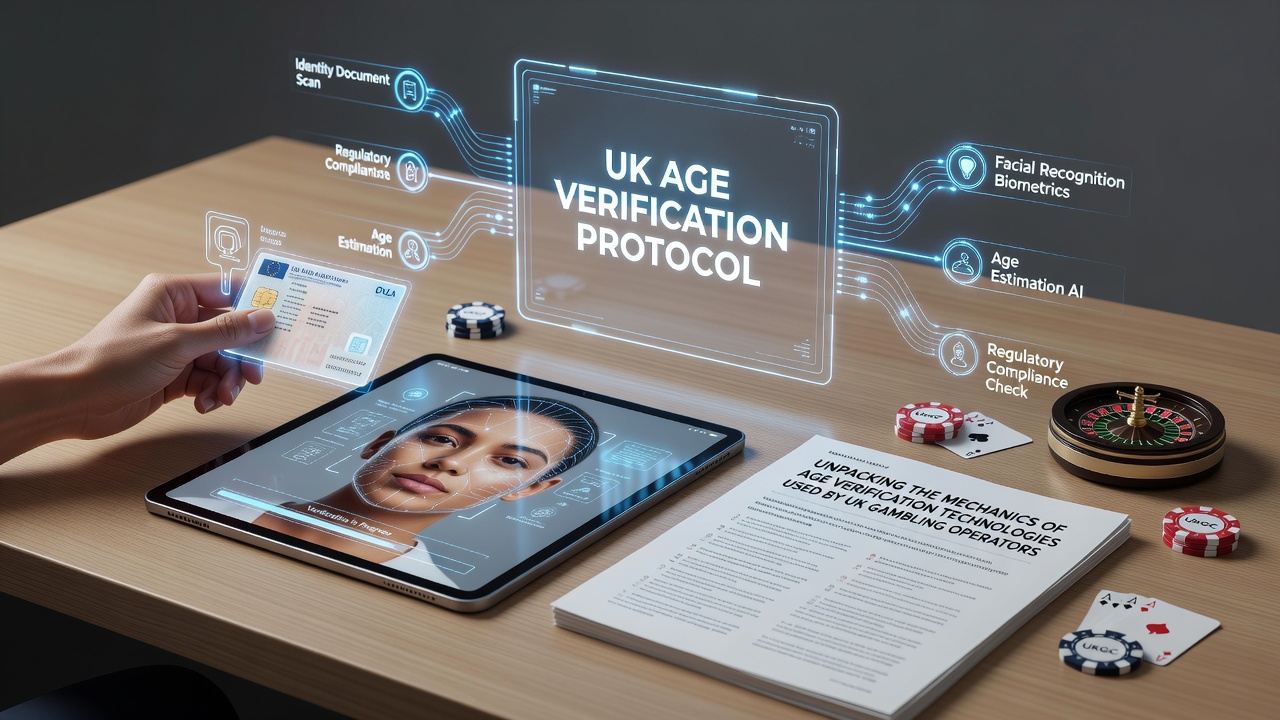
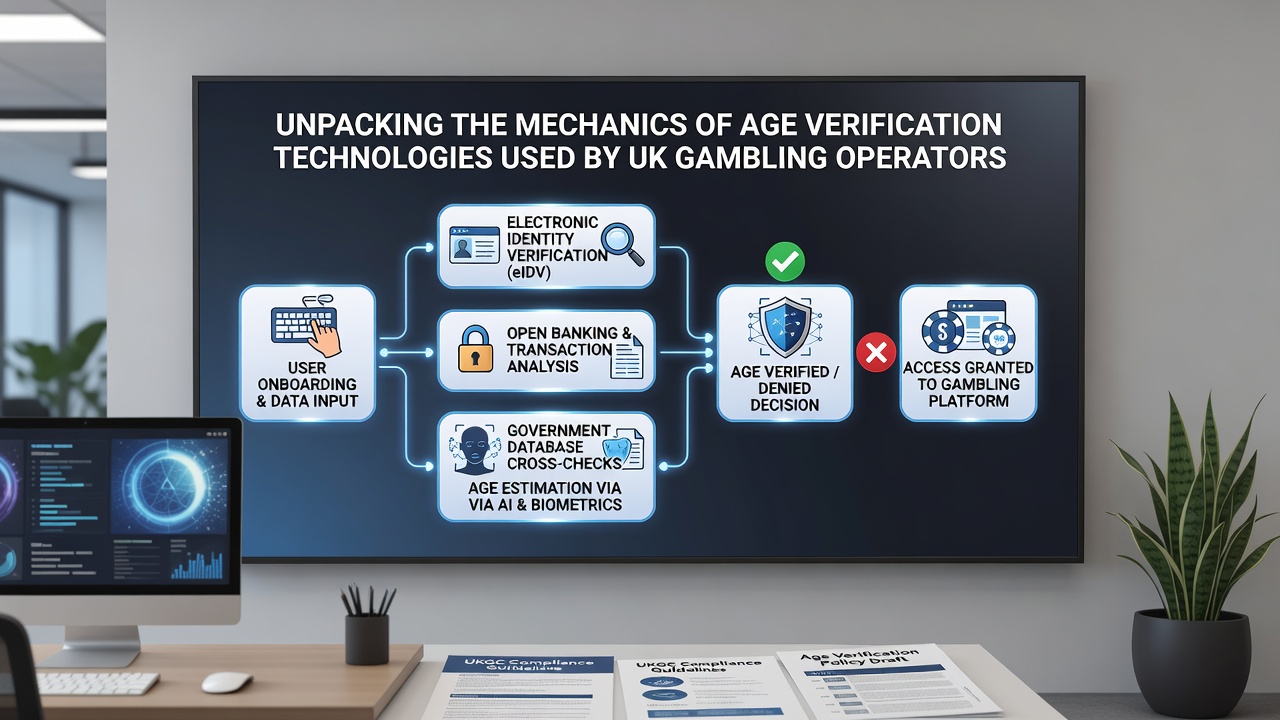
Age verification technologies form a core requirement for gambling operators in the United Kingdom because they help confirm that users meet minimum age thresholds before access to betting or casino services begins, and these systems combine multiple data sources to achieve compliance with legal standards. Operators deploy a range of methods that include document scanning, biometric matching, and database cross-referencing, each designed to reduce the risk of underage participation while maintaining user flow during registration.
Core Components of Verification Workflows
Most platforms integrate third-party services that pull information from public records, credit bureaus, and electoral rolls to match user-provided details against verified identities, and this process often starts with basic information such as name, address, and date of birth before advancing to more rigorous checks. When initial matches fall short, systems prompt users to upload government-issued identification or perform facial scans that compare live images against uploaded documents, which allows algorithms to detect inconsistencies in real time and flag potential mismatches for manual review.
Biometric tools add another layer by analyzing facial features or voice patterns through device cameras and microphones, while machine learning models trained on large datasets improve accuracy over successive verifications. These approaches reduce reliance on manual staff intervention, yet they still require fallback procedures for cases where lighting conditions or document quality interfere with automated processing.
Integration with Third-Party Data Providers
Operators frequently partner with specialized firms that maintain access to extensive consumer databases, enabling rapid queries against historical records without storing sensitive user data on the gambling platform itself. This separation of responsibilities helps limit exposure to data breaches and supports compliance with broader data protection regulations across different jurisdictions. Research from the Australian Gambling Research Centre shows that hybrid models combining database checks with biometric confirmation achieve higher success rates in confirming adult status compared to single-method approaches.
Electronic identity verification services also draw on mobile network data and utility bill records to establish presence at a given address, which adds temporal context to identity claims. When discrepancies arise, operators may request additional evidence such as recent bank statements or council tax documents, extending the verification timeline but increasing confidence in the result.
Handling Edge Cases and Accuracy Challenges
Systems must accommodate users who lack standard identification documents, which leads some operators to accept alternative proofs including driving licenses from various countries or passport scans processed through optical character recognition. Accuracy rates vary depending on the quality of source data, and studies indicate that error rates drop significantly when multiple independent data points converge on the same conclusion. Observers note that seasonal spikes in new account registrations, such as those observed around major sporting events, can strain automated queues and increase the proportion of cases routed to human reviewers.
Continuous monitoring plays a role after initial approval because some platforms re-verify users periodically or when suspicious activity patterns emerge, and this ongoing process relies on the same underlying technologies to maintain integrity over time. Data from the Canadian Centre for Gambling Research highlights that periodic re-checks help identify accounts that may have been created with borrowed or falsified credentials.
Conclusion
Age verification technologies in UK gambling operations rely on layered combinations of database queries, document analysis, and biometric matching to confirm user eligibility, and ongoing refinements in these systems reflect broader advances in data integration and artificial intelligence. Operators continue to adapt workflows to balance regulatory demands with user convenience, while third-party providers supply the technical infrastructure that supports consistent enforcement across platforms.