How Data Verification Shapes Entry to Britain's Licensed Betting Platforms
Written by Yara Lange · Aug 22, 2026
How Data Verification Shapes Entry to Britain's Licensed Betting Platforms
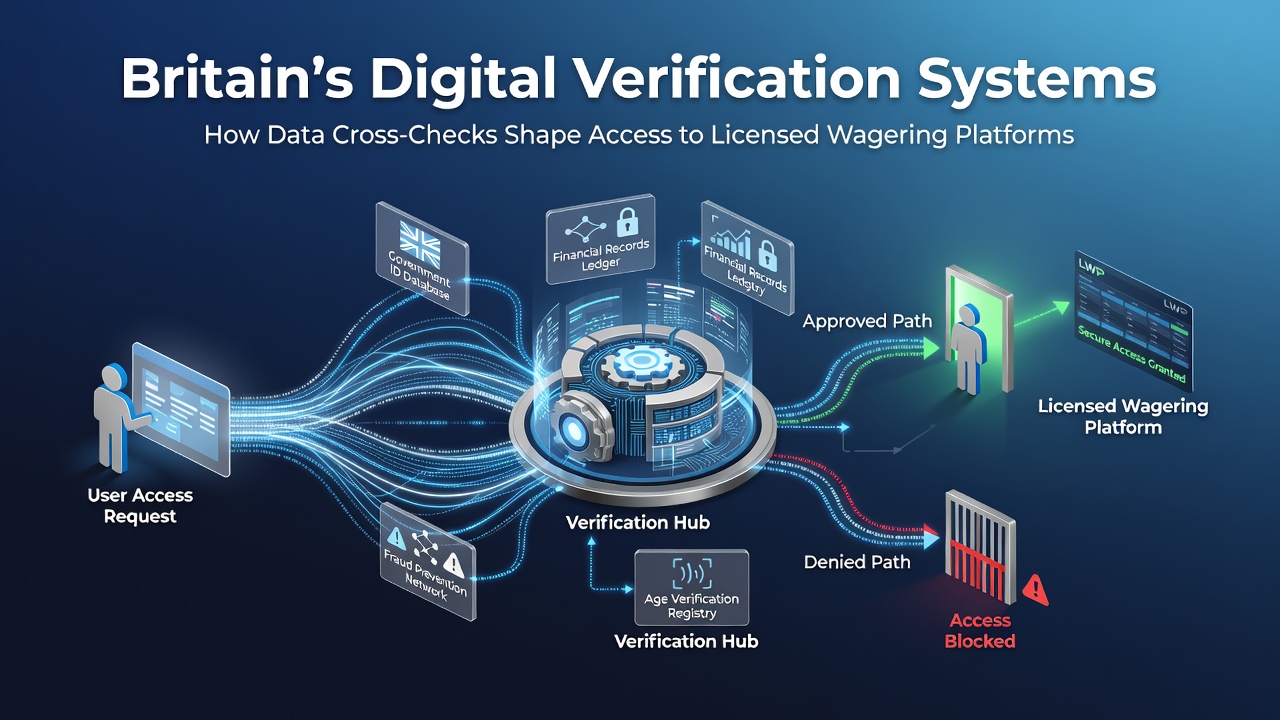
Britain's approach to digital verification relies on interconnected databases that cross-reference personal details against multiple official records before granting entry to licensed wagering platforms, and this process has grown more sophisticated as operators integrate real-time checks with government and financial sources.
The Mechanics of Cross-Referencing Systems
Operators pull information from credit reference agencies alongside electoral rolls and address databases, while algorithms flag inconsistencies such as mismatched dates of birth or recent address changes that might indicate attempts to bypass age restrictions or self-exclusion lists, and these automated steps often complete within seconds yet trigger manual reviews when scores fall below set thresholds.
Financial institutions feed transaction histories into the same pipelines so that patterns of declined payments or unusual deposit frequencies surface quickly, and regulators require operators to maintain audit trails that demonstrate consistent application of these rules across all accounts.
Integration with Broader Identity Frameworks
Since the rollout of digital identity pilots in several European nations, British platforms have begun testing compatibility with eIDAS standards that allow users to present verified attributes without uploading fresh documents each time, yet full adoption remains staggered because legacy systems at some operators still demand separate address proofs even after initial onboarding succeeds.
Research indicates that cross-border data sharing agreements help identify users who have already triggered restrictions elsewhere, and one study revealed that coordinated alerts reduced duplicate account creation attempts by measurable margins in jurisdictions that share exclusion registers.
Impact on User Access Timelines
Players who provide consistent details across sources experience near-instant approval, whereas those whose records contain gaps or recent updates often face delays ranging from hours to several days while additional confirmations are requested, and this variance has prompted some operators to offer priority verification paths for users who consent to deeper financial data pulls.
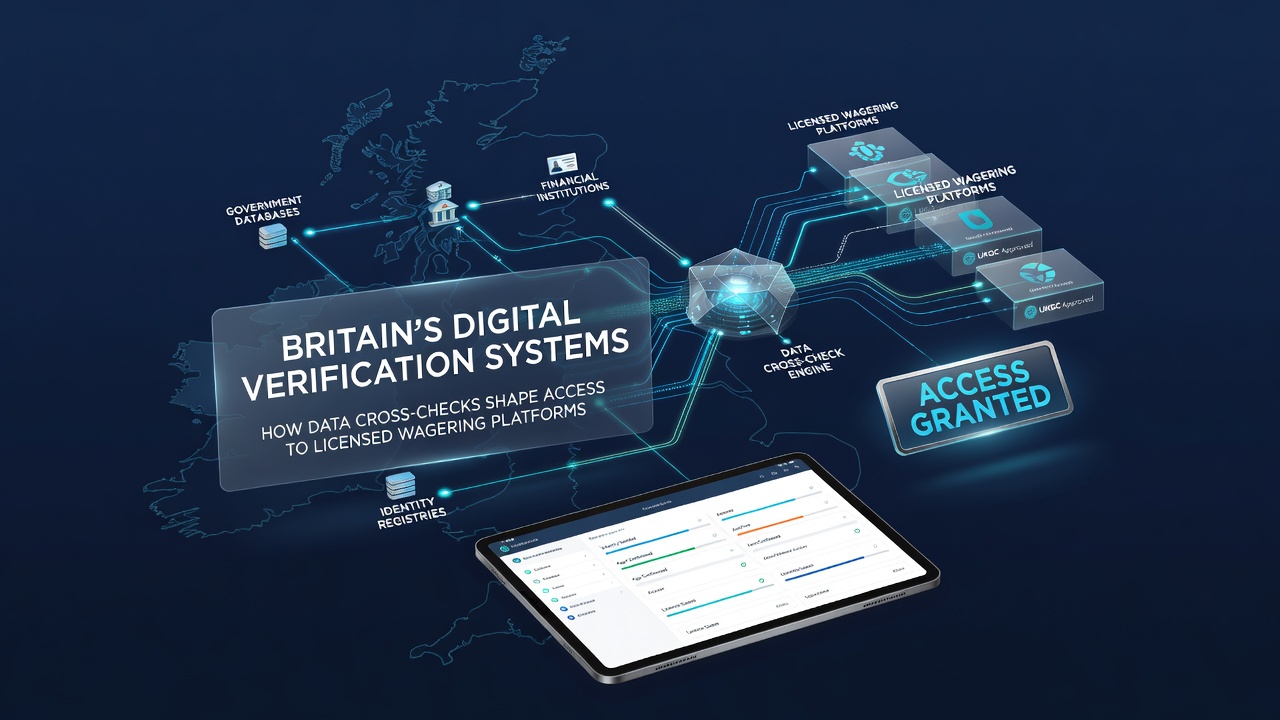
Observers note that August 2026 marks the scheduled expansion of certain open-banking mandates that will further streamline deposit verification, allowing platforms to confirm source of funds without separate bank statements, and early test programs already show reduced friction for verified users while maintaining compliance layers.
Regulatory Expectations and Technical Standards
According to reports from the European Securities and Markets Authority, consistent data matching protocols lower the risk of unauthorized access across financial and entertainment sectors alike, and British wagering operators align their practices with similar principles even though their primary oversight comes from domestic bodies.
Industry groups such as the Responsible Gambling Council have published findings on how verification speed correlates with player retention rates, and those results highlight that platforms achieving sub-minute checks retain higher percentages of new registrations compared with slower counterparts.
Challenges in Data Accuracy and Updates
Address changes following moves or marriages frequently create temporary mismatches that block access until users supply updated proofs, and experts have observed that younger adults who change residences more often encounter these blocks at higher rates than older demographics, prompting some operators to partner with real-time address services that pull from utility and postal records.
Yet periodic data refreshes can also flag previously cleared accounts when new exclusion information appears, and this dynamic nature means access status remains fluid rather than permanent.
Conclusion
Britain's digital verification landscape continues to evolve through tighter integration of cross-checks that balance speed with security, and as open-banking expansions approach in August 2026 the emphasis on seamless yet thorough data matching will likely intensify across all licensed wagering platforms operating within the jurisdiction.