Regulatory Oversight and Player Support Networks in Britain's Online Wagering Scene
Written by Quinn Friedrich · Sep 28, 2026
Regulatory Oversight and Player Support Networks in Britain's Online Wagering Scene
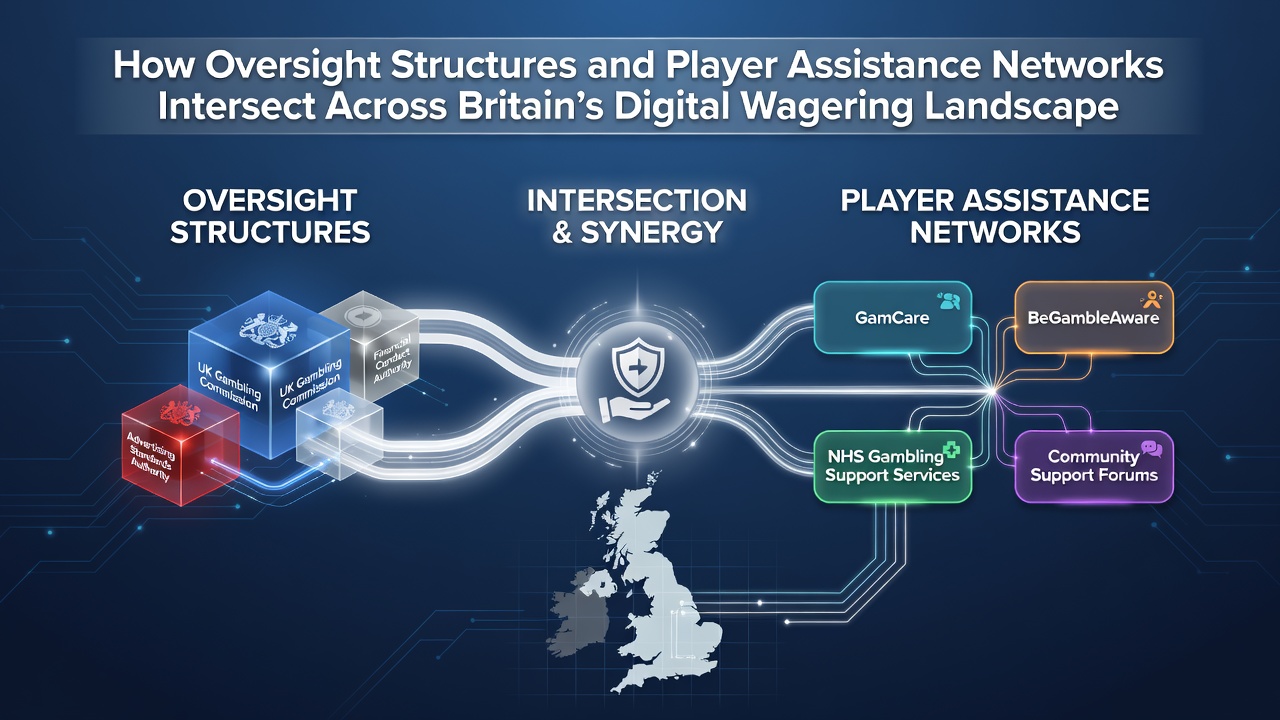
Britain's digital wagering environment relies on structured oversight mechanisms that set operational standards for licensed operators while player assistance networks deliver targeted interventions for those experiencing difficulties with gambling behaviors. These two systems function through coordinated requirements that tie regulatory compliance directly to funding streams and referral pathways for support services. Operators must integrate self-exclusion tools and data reporting obligations that feed into assistance programs, creating measurable points where oversight influences the availability and reach of help resources.
Core Elements of Oversight in Digital Wagering
Oversight bodies establish licensing conditions that mandate operators to allocate portions of revenue toward harm minimization initiatives, and these mandates create direct financial links between regulatory approval and the sustainability of assistance organizations. Data collection protocols require platforms to track player activity patterns, which in turn inform risk assessment models used by support services to prioritize outreach efforts. Researchers have documented how these reporting structures allow assistance networks to identify emerging trends in problem gambling across different demographics and product types without relying solely on voluntary disclosures from individuals seeking help.
Enforcement actions by oversight entities often include reviews of how operators handle player protection measures, and findings from such reviews frequently result in updated guidelines that assistance providers then incorporate into training materials for counselors and helpline staff. This feedback loop ensures that evolving regulatory expectations translate into practical adjustments within support delivery models. Figures from industry reports indicate consistent year-over-year increases in the volume of referrals originating from operator-mandated systems, demonstrating tangible intersections between compliance frameworks and help-seeking behaviors.
Player Assistance Networks and Their Operational Reach
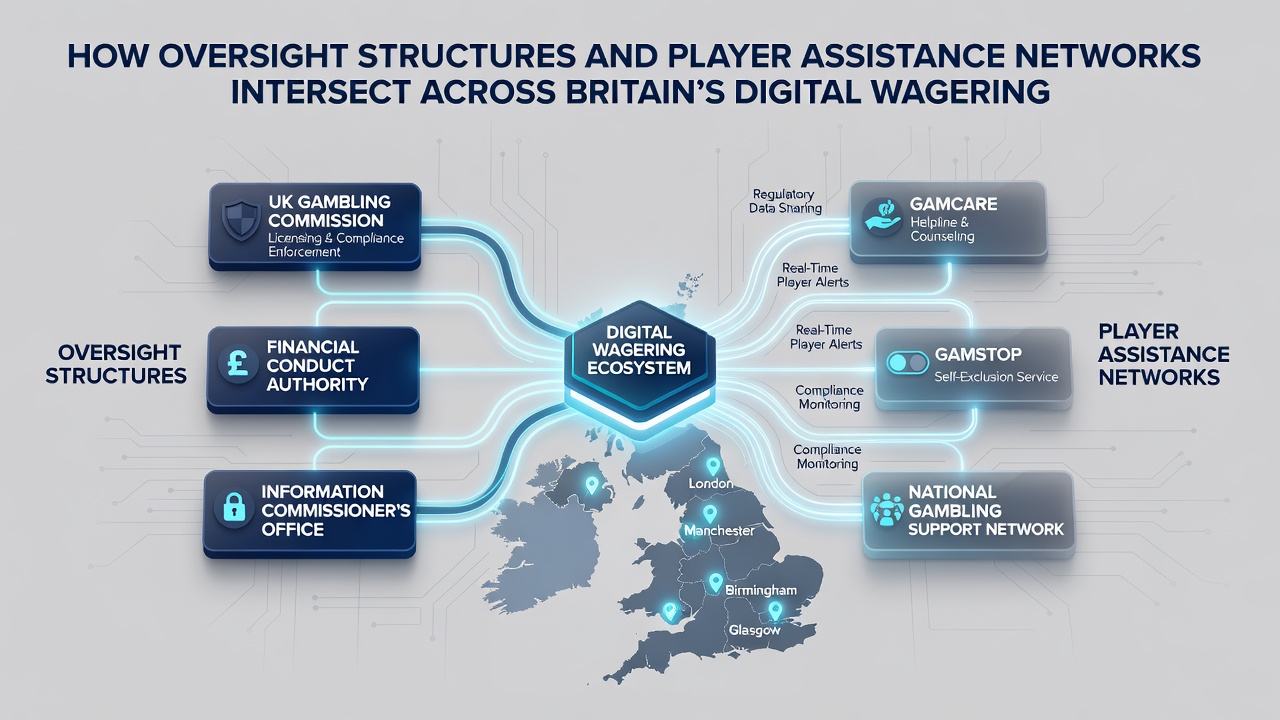
Assistance networks in Britain encompass national helplines, regional counseling services, and digital tools that offer self-assessment and peer support options, with many of these services receiving operational funding tied to regulatory levies on wagering operators. These networks maintain databases that align with oversight-mandated exclusion lists, allowing real-time verification when individuals attempt to re-engage with platforms after requesting help. Coordination occurs through standardized protocols that require operators to display assistance contact information prominently and to facilitate direct transfers to support services during high-risk interactions.
Studies conducted by academic institutions outside the UK have examined similar intersections in other jurisdictions, revealing that integrated systems tend to produce higher engagement rates with support resources compared to standalone programs. One such analysis from Canadian research centers highlighted how regulatory requirements for operator participation in multi-jurisdictional data sharing improved the ability of assistance networks to detect cross-platform gambling patterns among at-risk users. Britain's approach incorporates comparable elements, particularly around standardized reporting that feeds into national support coordination efforts.
Points of Intersection and Data Integration
Intersection occurs most visibly through mandatory contribution mechanisms where oversight structures determine levy amounts based on operator revenue, and these funds directly sustain assistance networks that would otherwise depend on inconsistent charitable donations. Self-exclusion registers maintained under regulatory authority connect seamlessly with support intake processes, enabling counselors to verify enrollment status and coordinate with operators on account restrictions. This technical linkage reduces administrative barriers for individuals moving between help-seeking and platform access management.
September 2026 marks the scheduled rollout of enhanced digital reporting standards that will require operators to transmit anonymized behavioral indicators to a centralized oversight repository, which assistance networks can then query under strict privacy protocols to refine intervention timing. Pilot programs testing these standards have already shown improvements in the speed at which support services receive alerts about potential harm indicators. Observers note that such developments build on earlier frameworks established through cross-border collaborations with regulatory bodies in Australia and the European Union, where similar data integration models have operated for several years.
Training programs for assistance staff now incorporate modules on regulatory compliance language, ensuring that counselors understand the legal context surrounding player accounts and exclusion enforcement. These programs receive partial funding through oversight-mandated operator contributions, creating another layer of interconnection. Evidence from evaluation reports suggests that this shared knowledge base improves the quality of guidance provided to individuals navigating both support services and platform restrictions simultaneously.
Conclusion
The intersection of oversight structures and player assistance networks in Britain's digital wagering landscape produces interconnected systems where regulatory requirements generate resources and data pathways that directly support assistance delivery. Coordinated mechanisms around funding, self-exclusion, and behavioral reporting create operational efficiencies that benefit both compliance monitoring and harm reduction efforts. Developments scheduled for September 2026 will further strengthen these connections through expanded data standards, building on established patterns observed in comparable international frameworks.